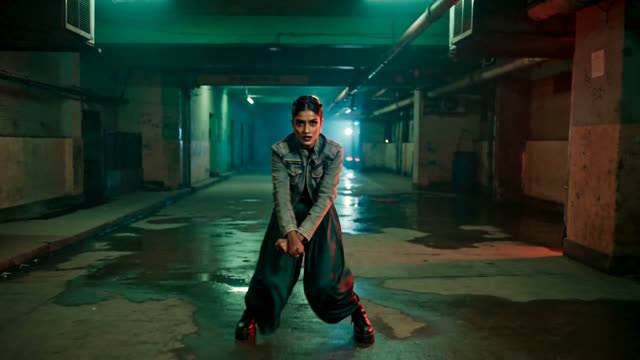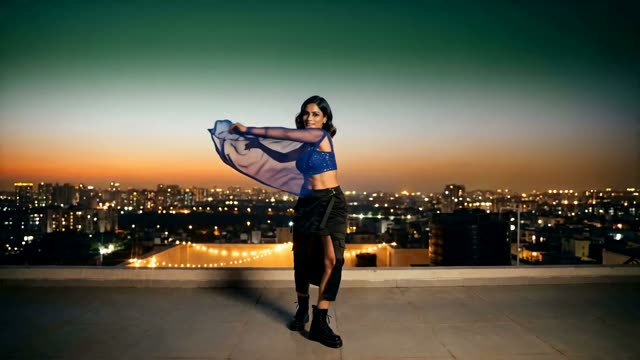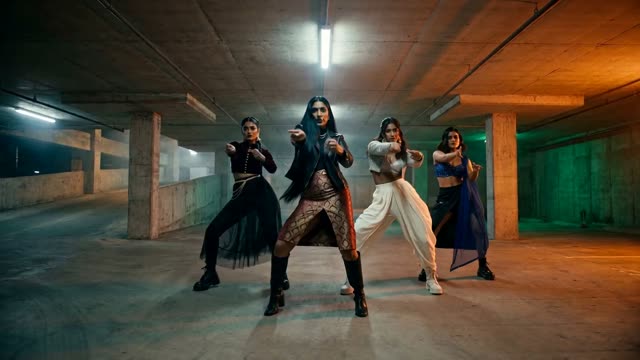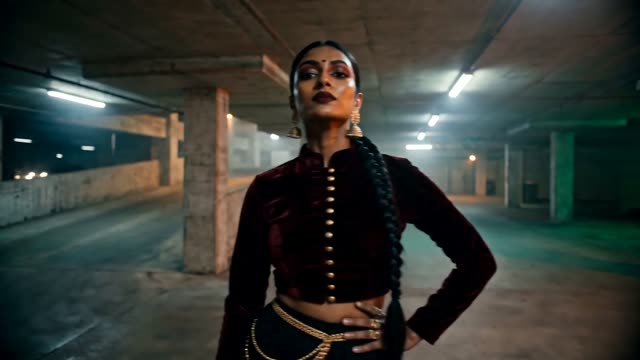
built with VideoClaw

Four characters.
Twenty-one shots.
Nobody is real.

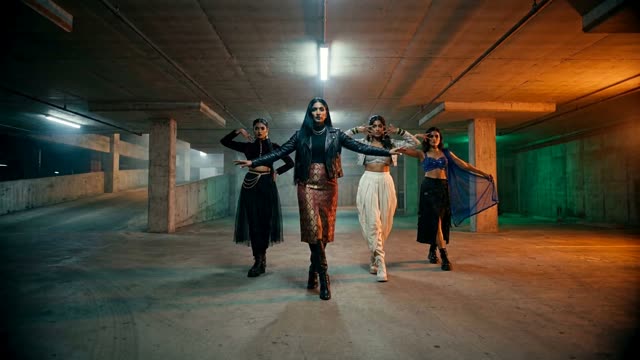
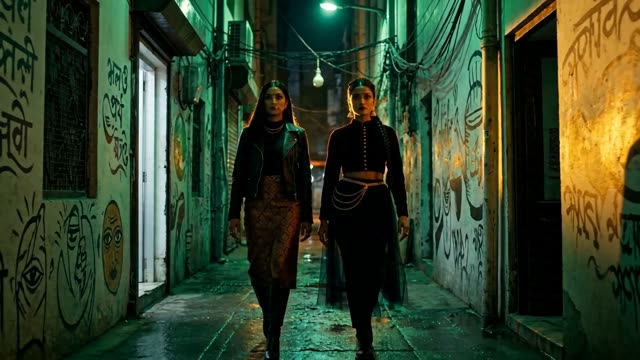
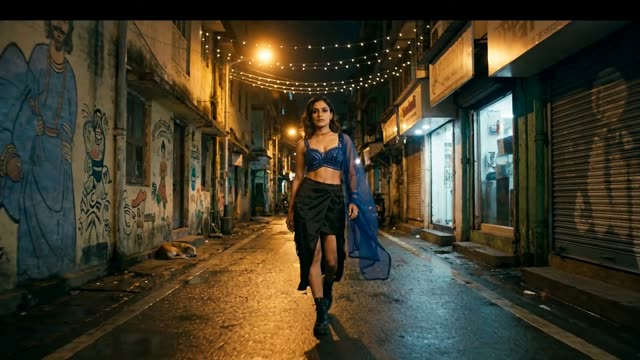
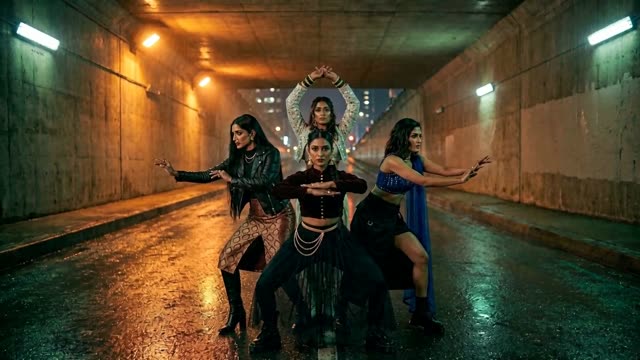
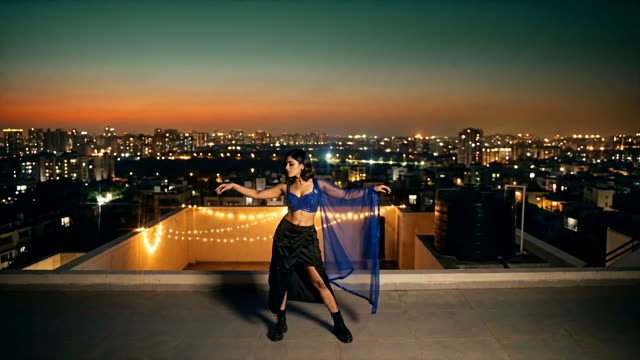
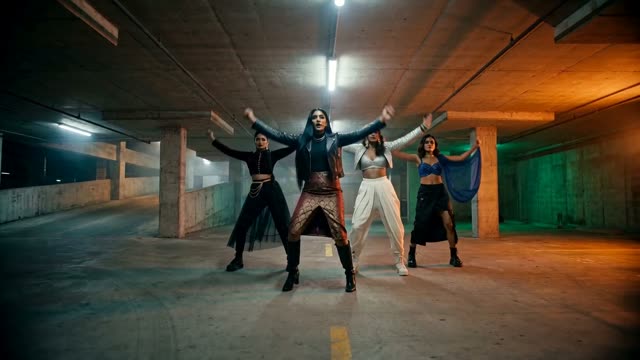
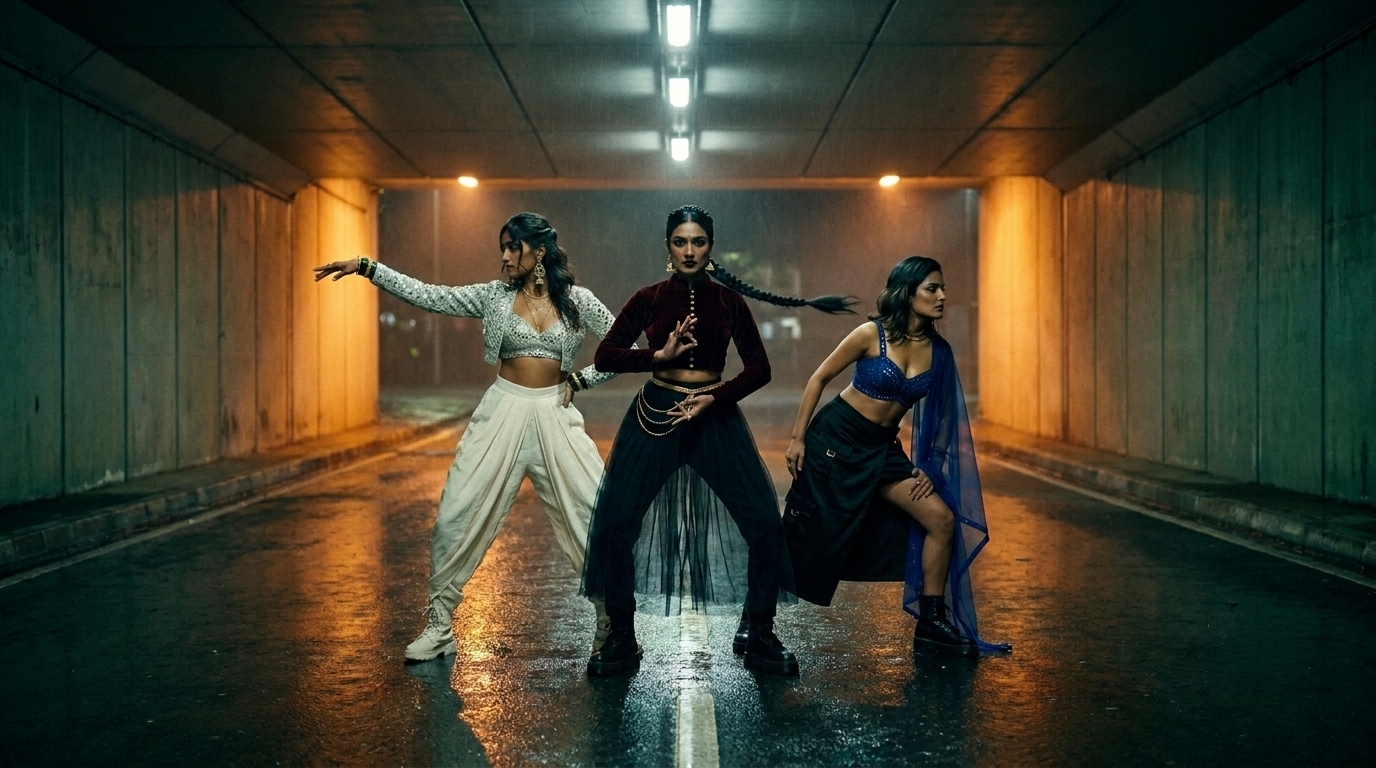
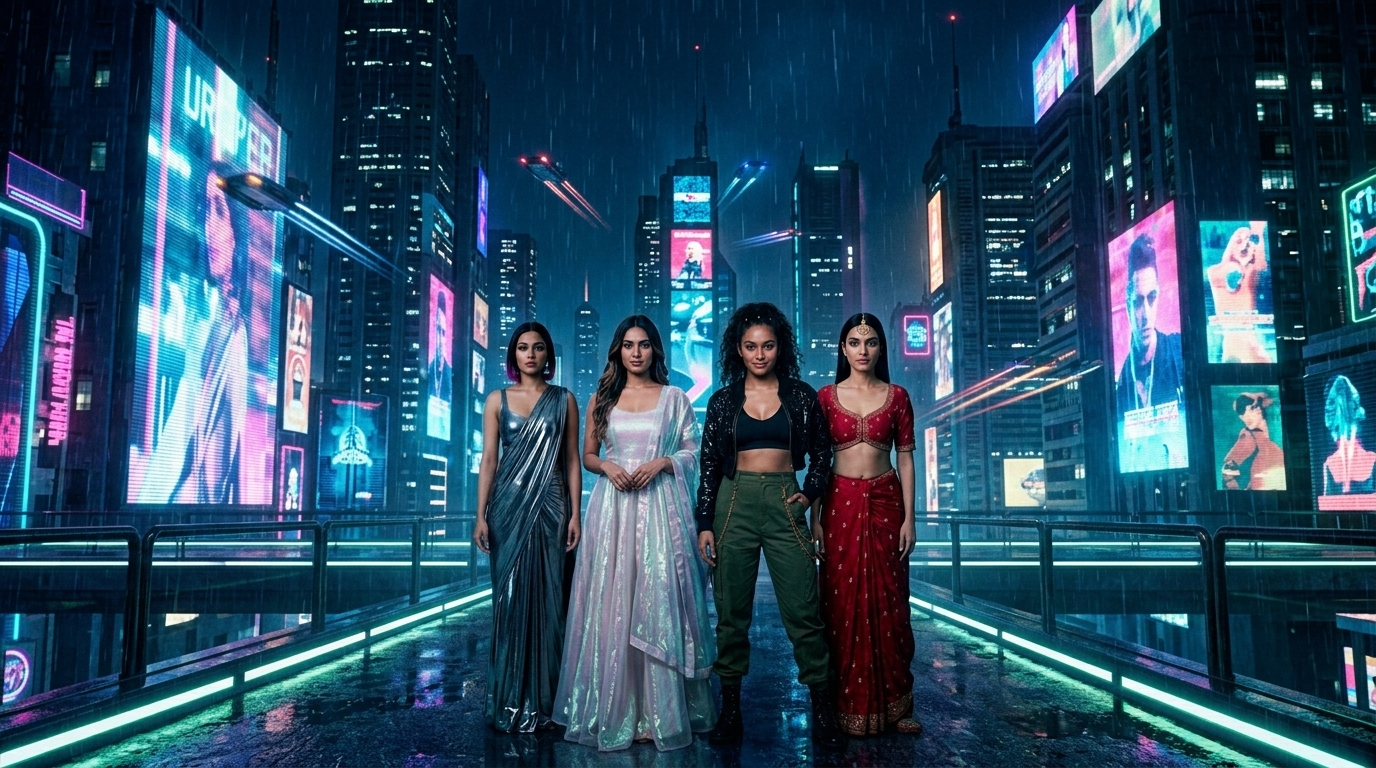
MIRCHI is a 2:41 music video generated end to end — the cast, the city, the song. The hard part isn't one good-looking clip. It's twenty-one of them where the same four faces come back every time.

SHAKTI — "MIRCHI"2:411280×720 · 24fps 79 shotsIndia × K-pop fusion
4
locked characters
21
generated clips
17
story plates
1
person, no crew

The cast

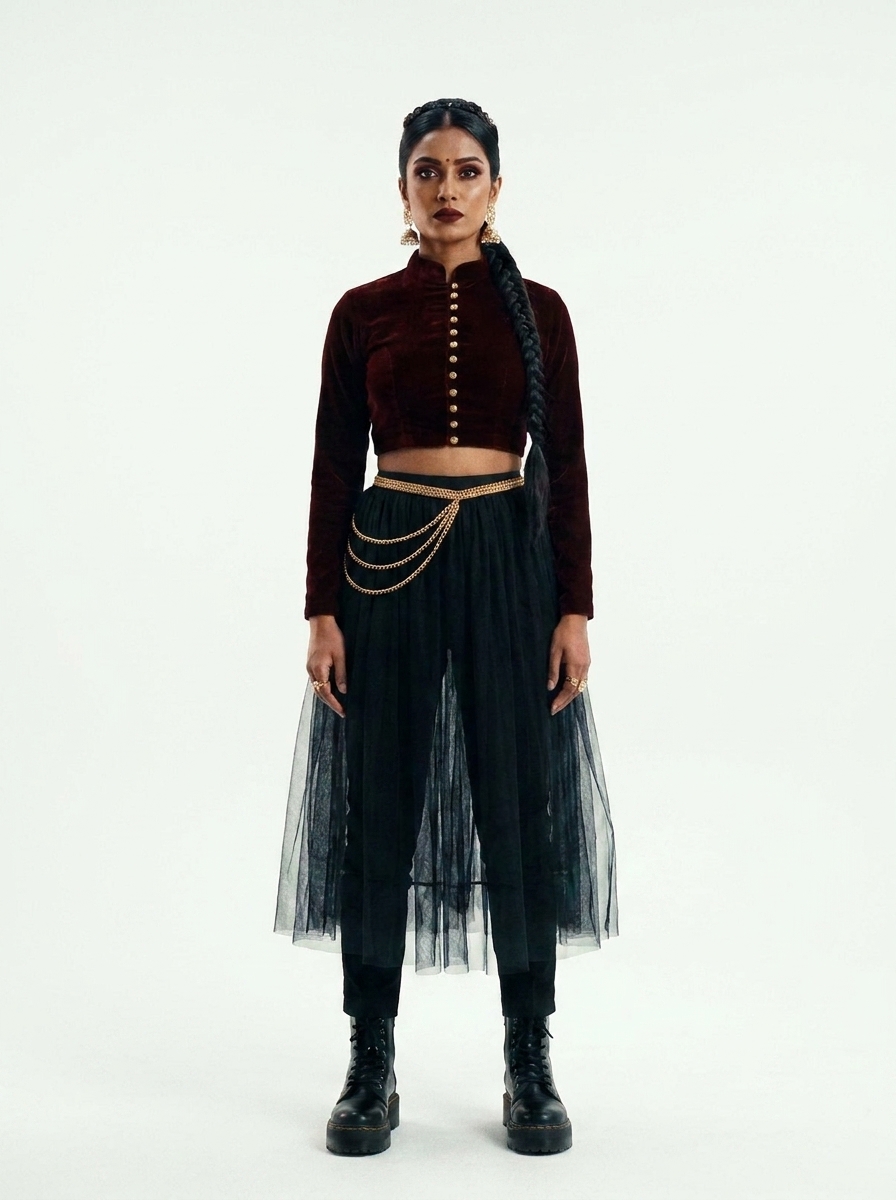
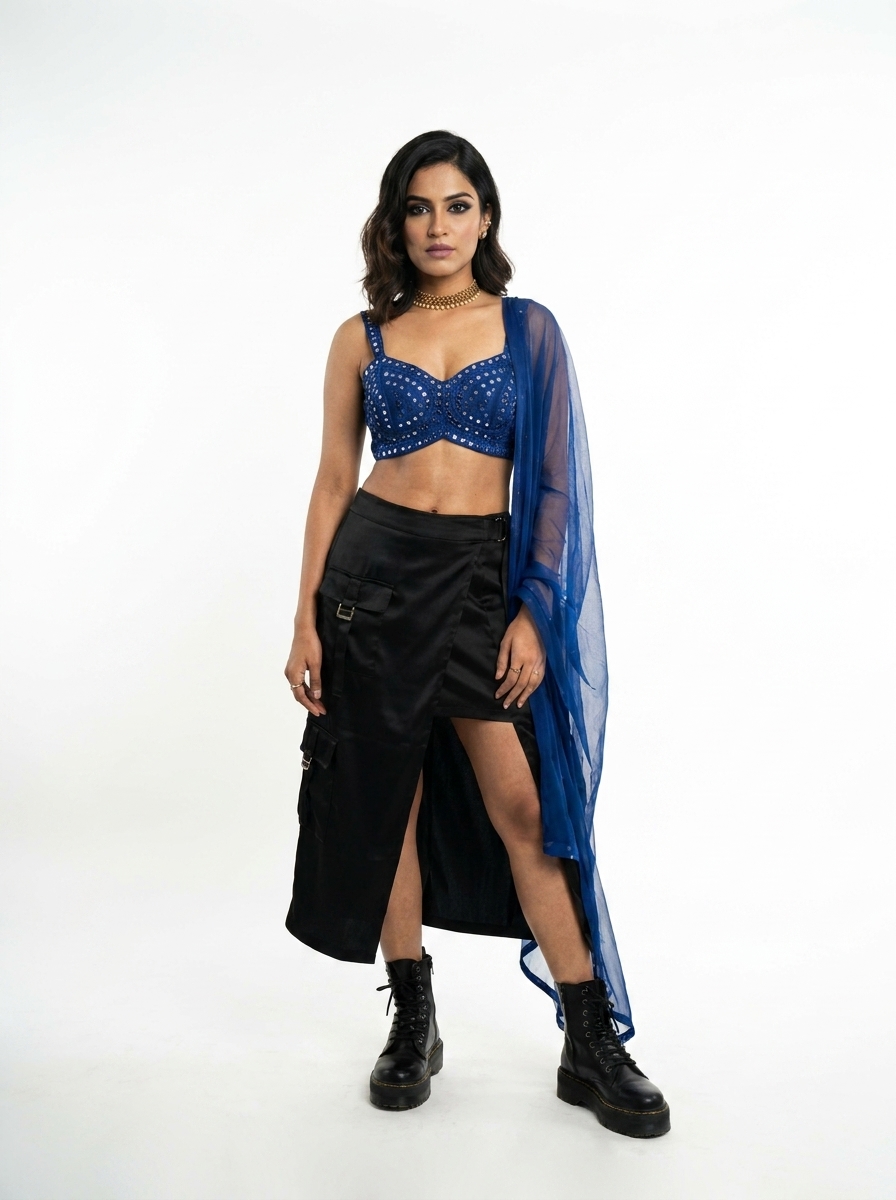
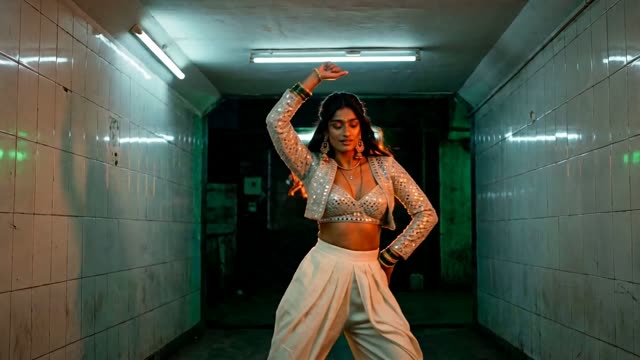
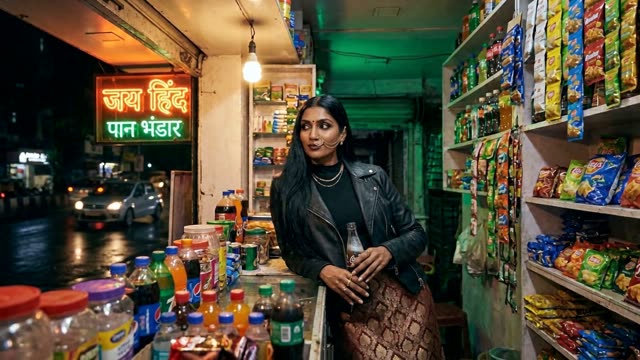
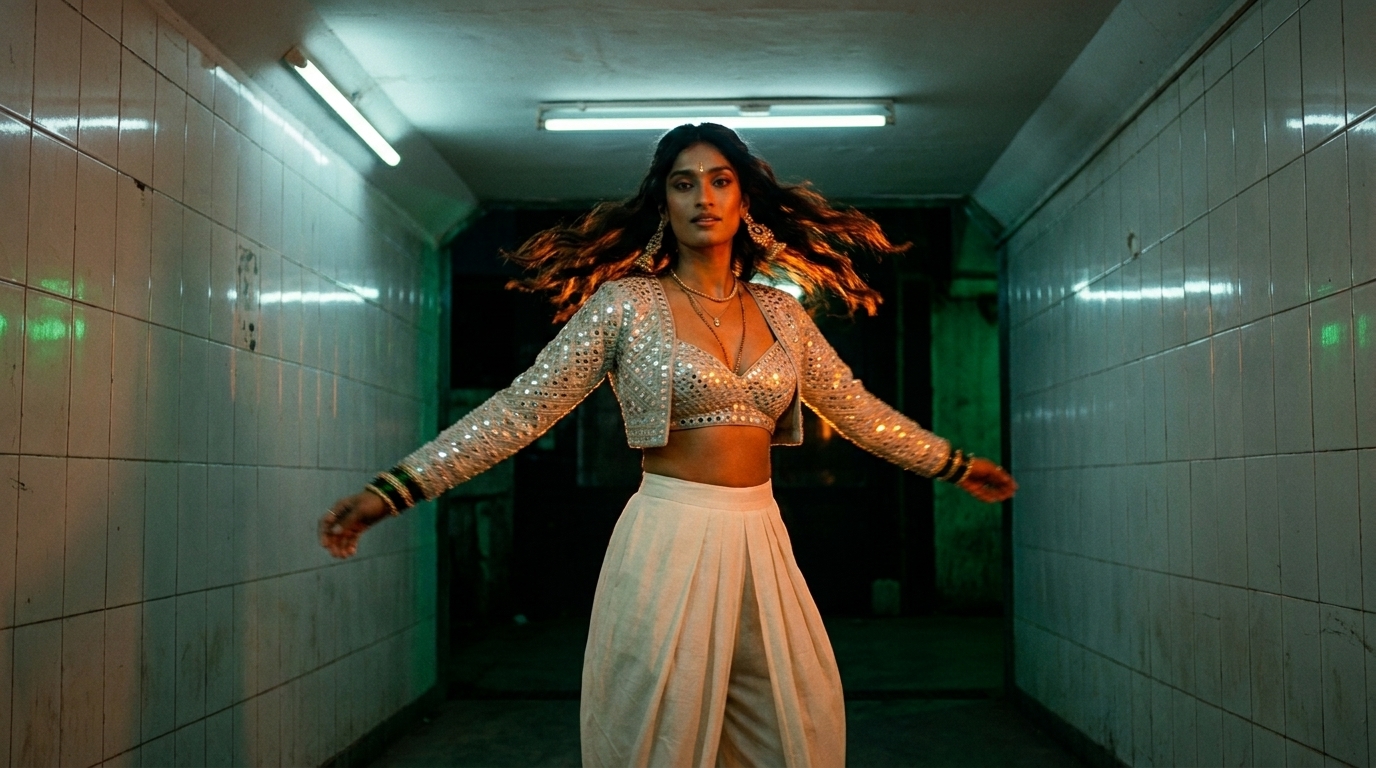
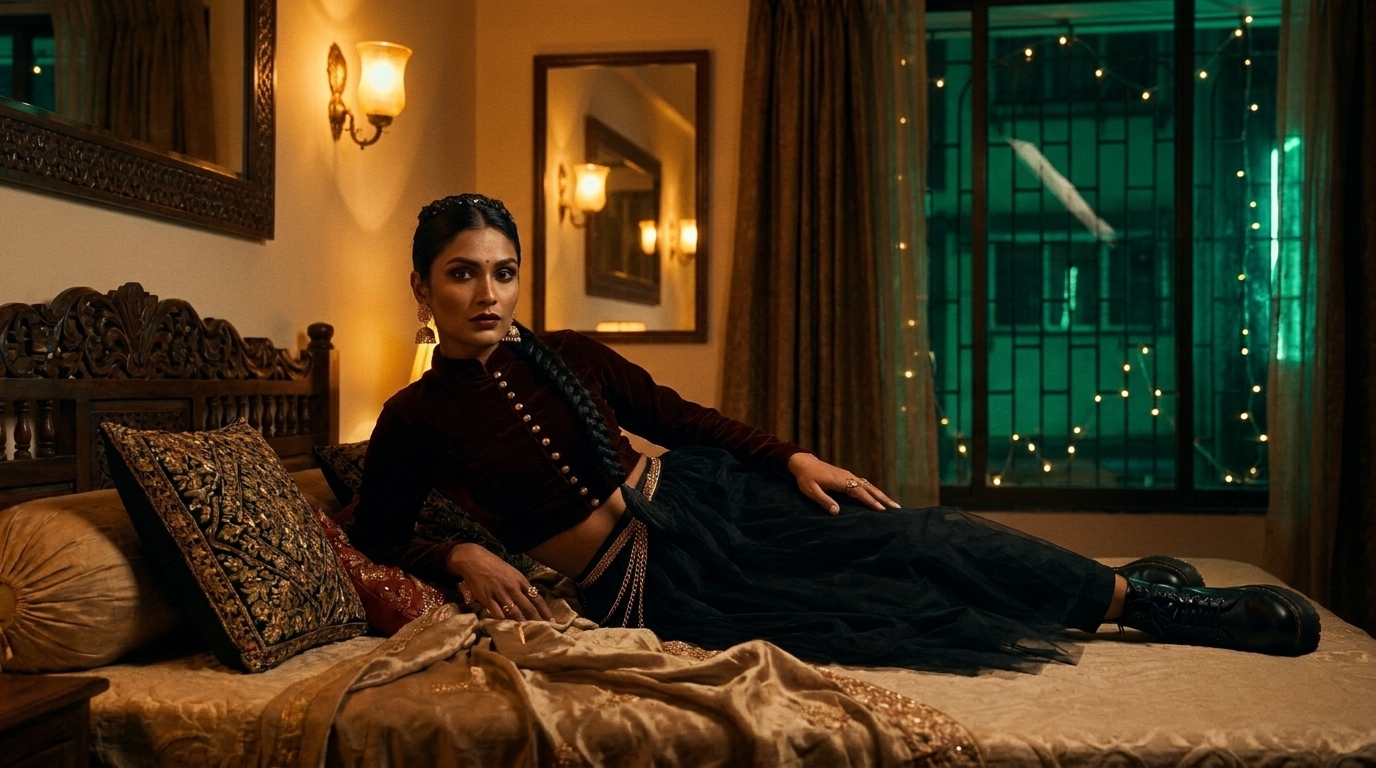
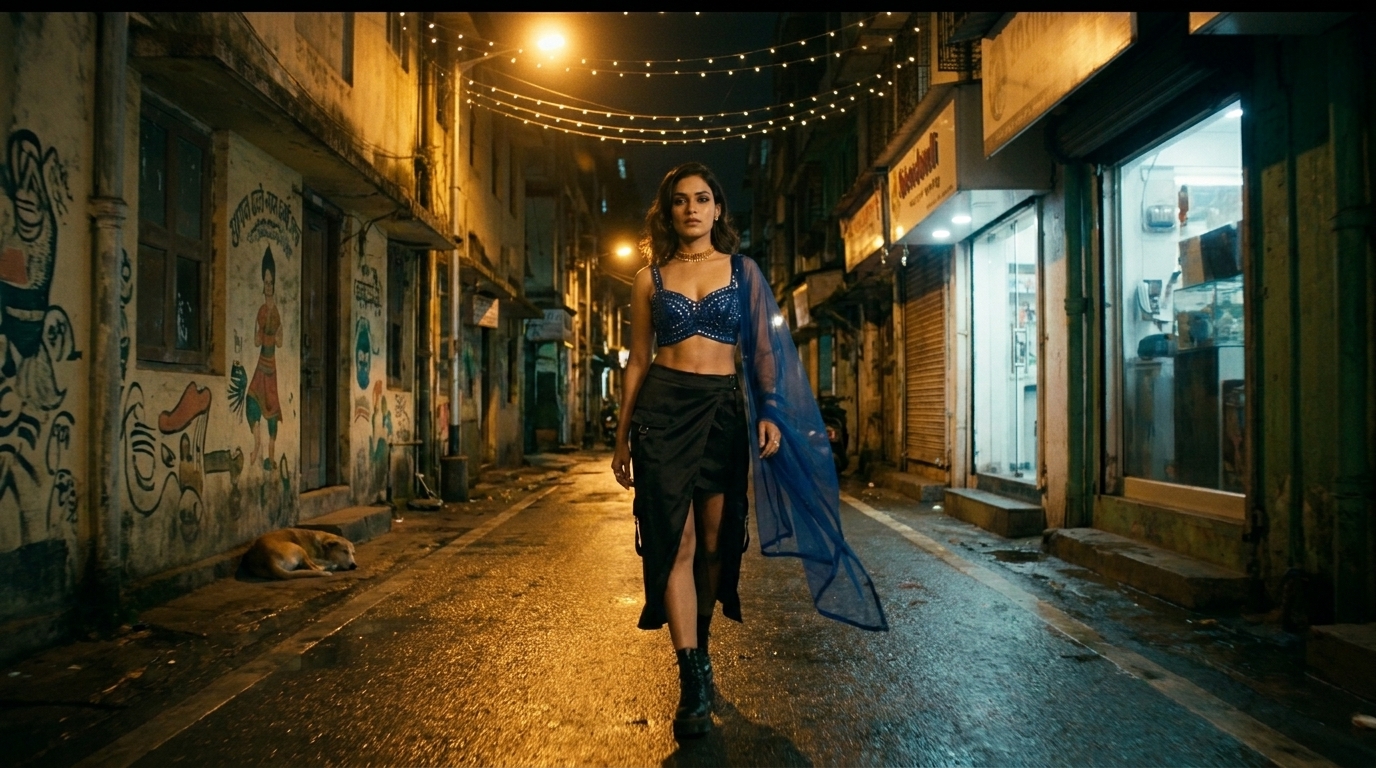
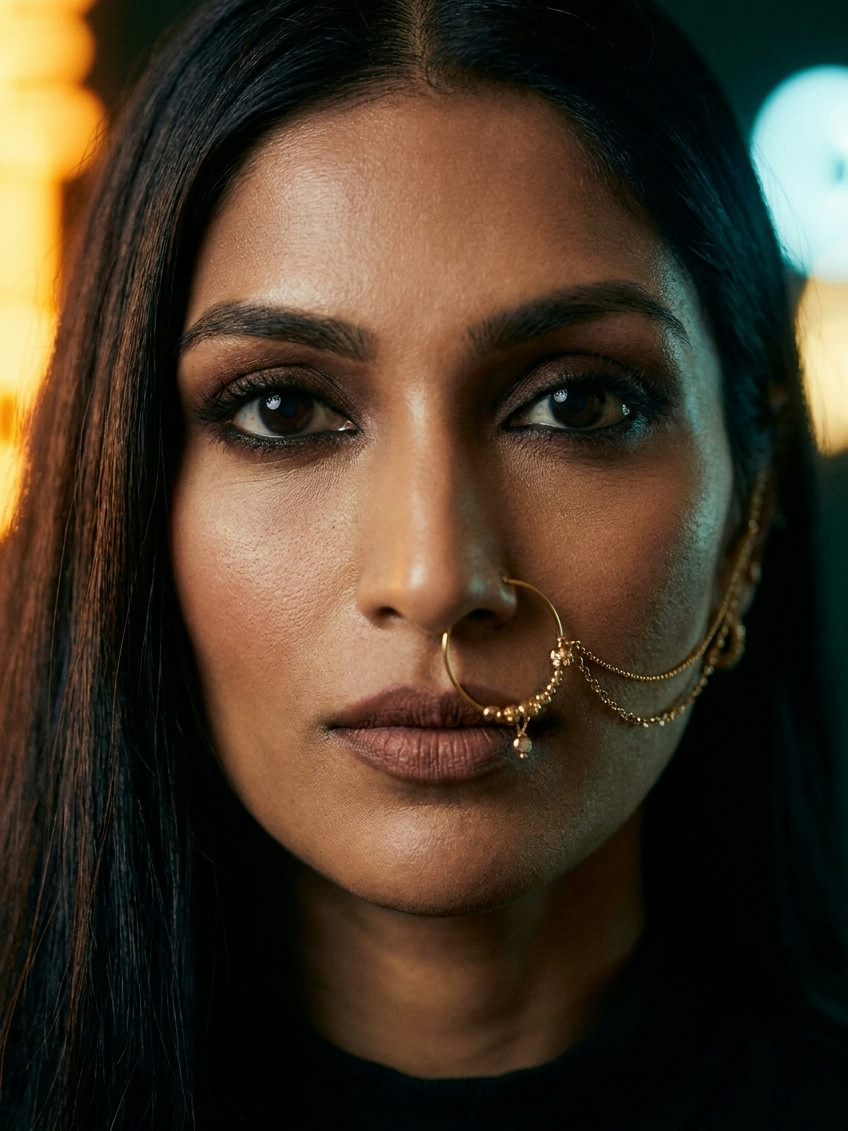
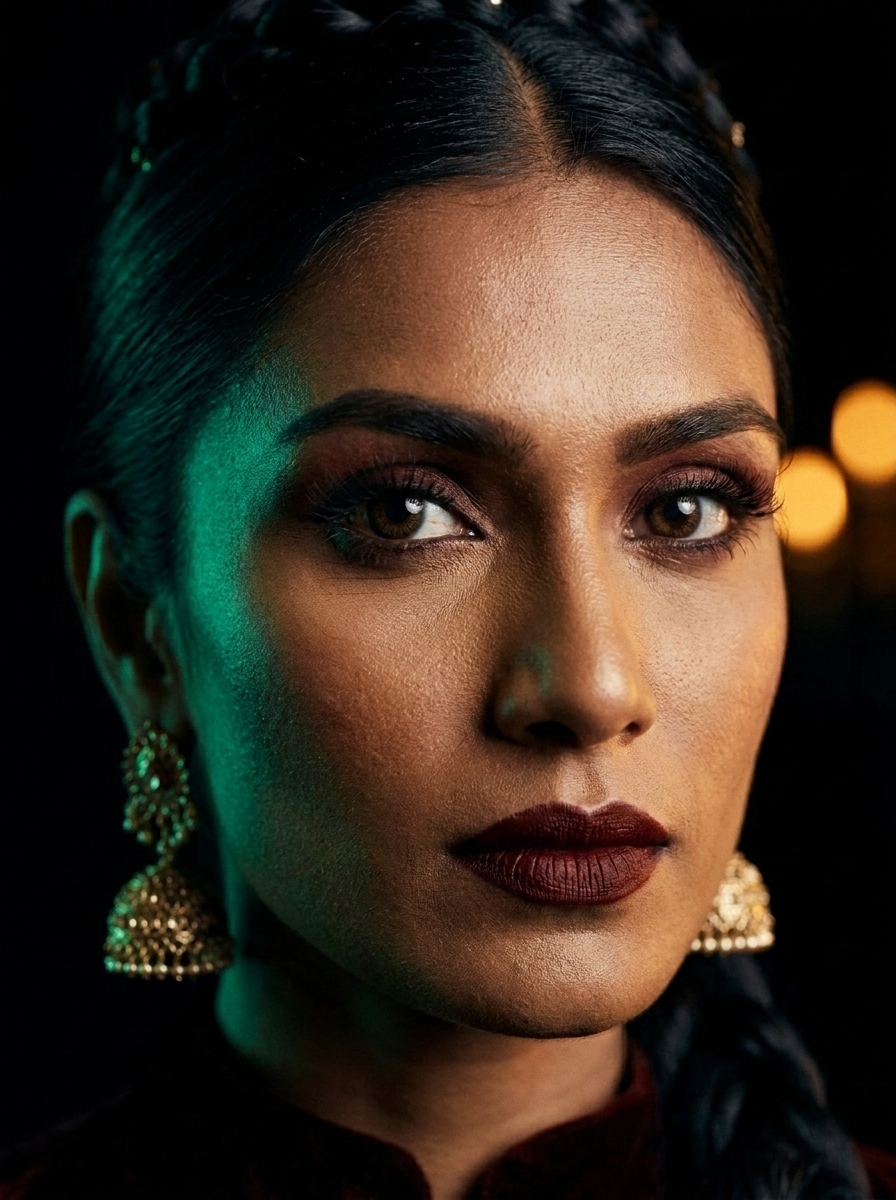
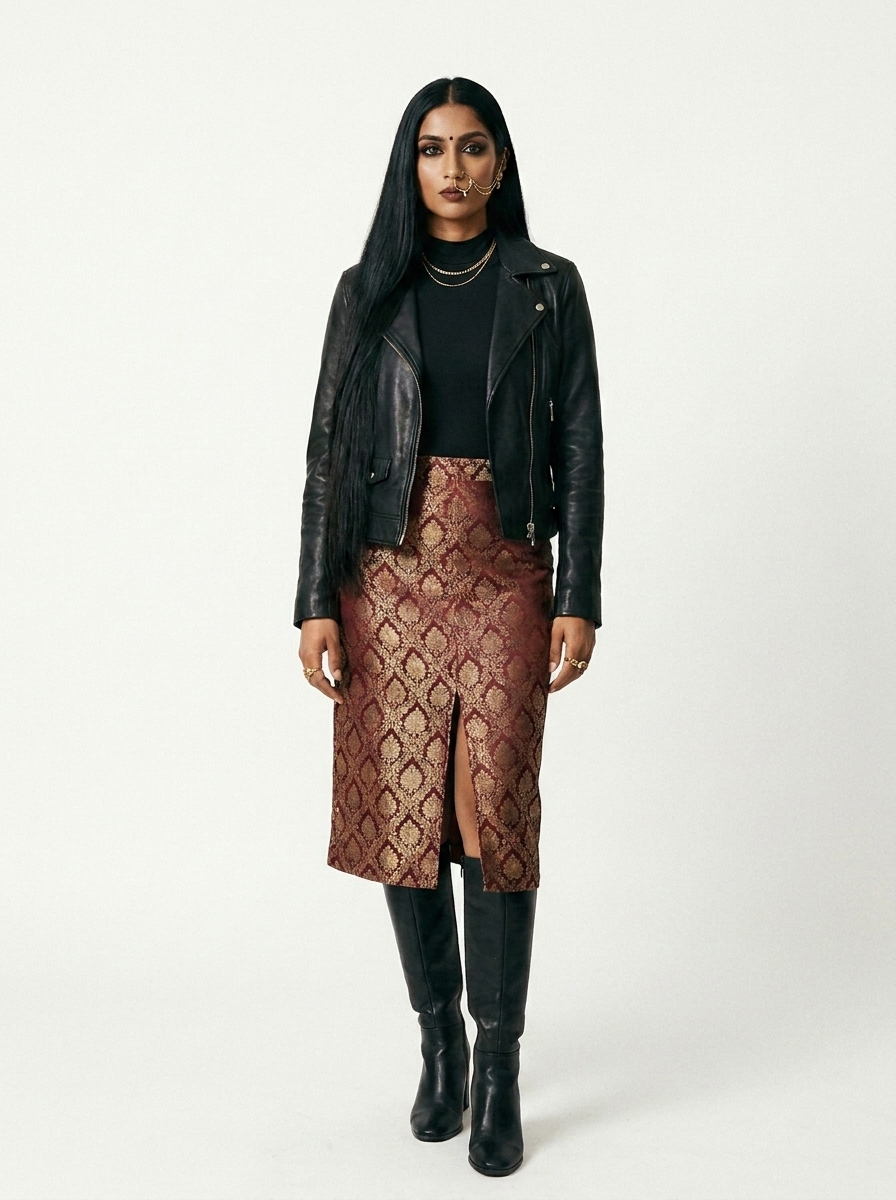
Four characters registered once as reusable identities. Every plate and every clip that follows references these records — never a fresh description.

Roshni
Roshni
Leader · saffron
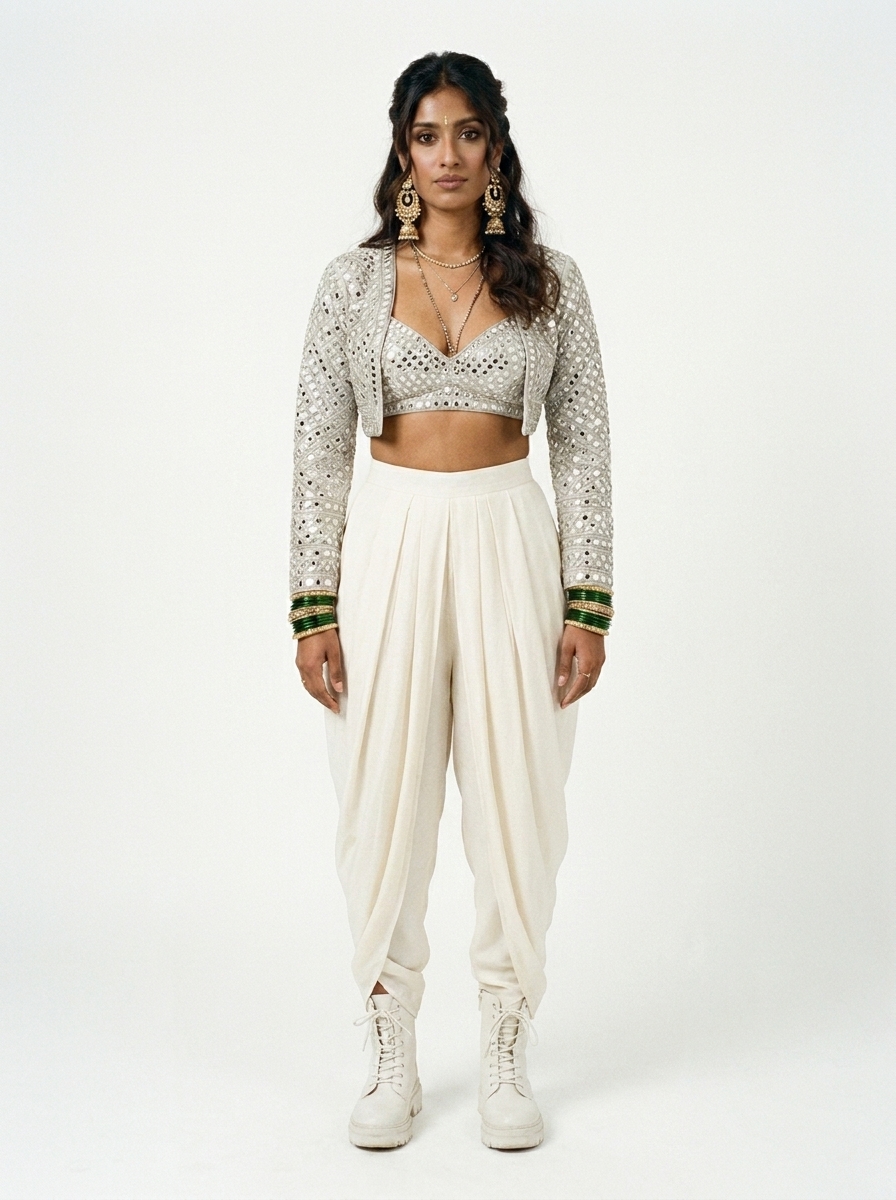
Sitara
Sitara
Visual · white
Mira
Mira
Royal-street · green
Jiya
Jiya
Festival edge · blue

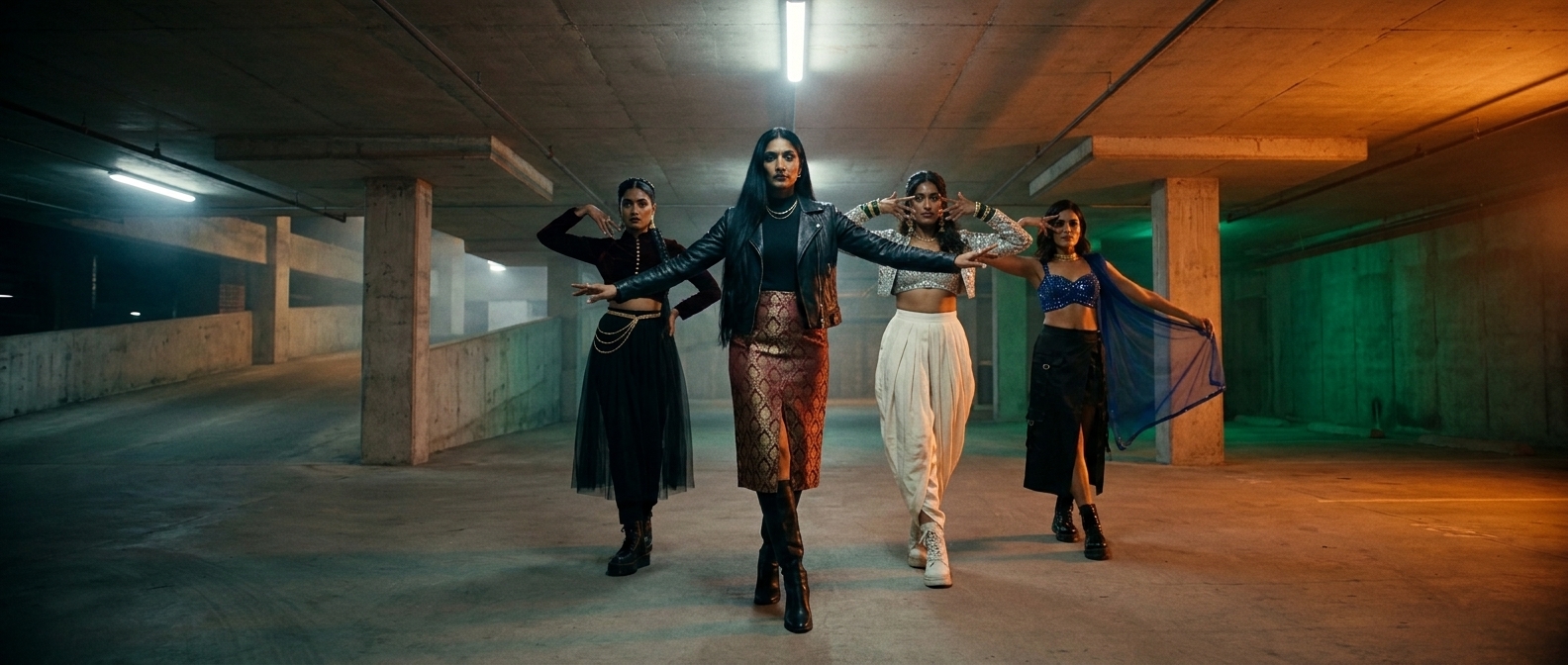
Seventeen shots. Same four faces.

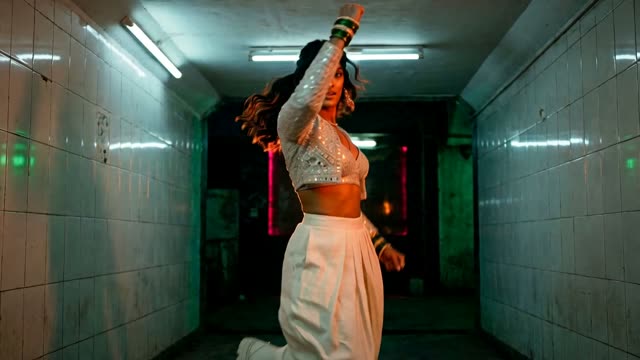
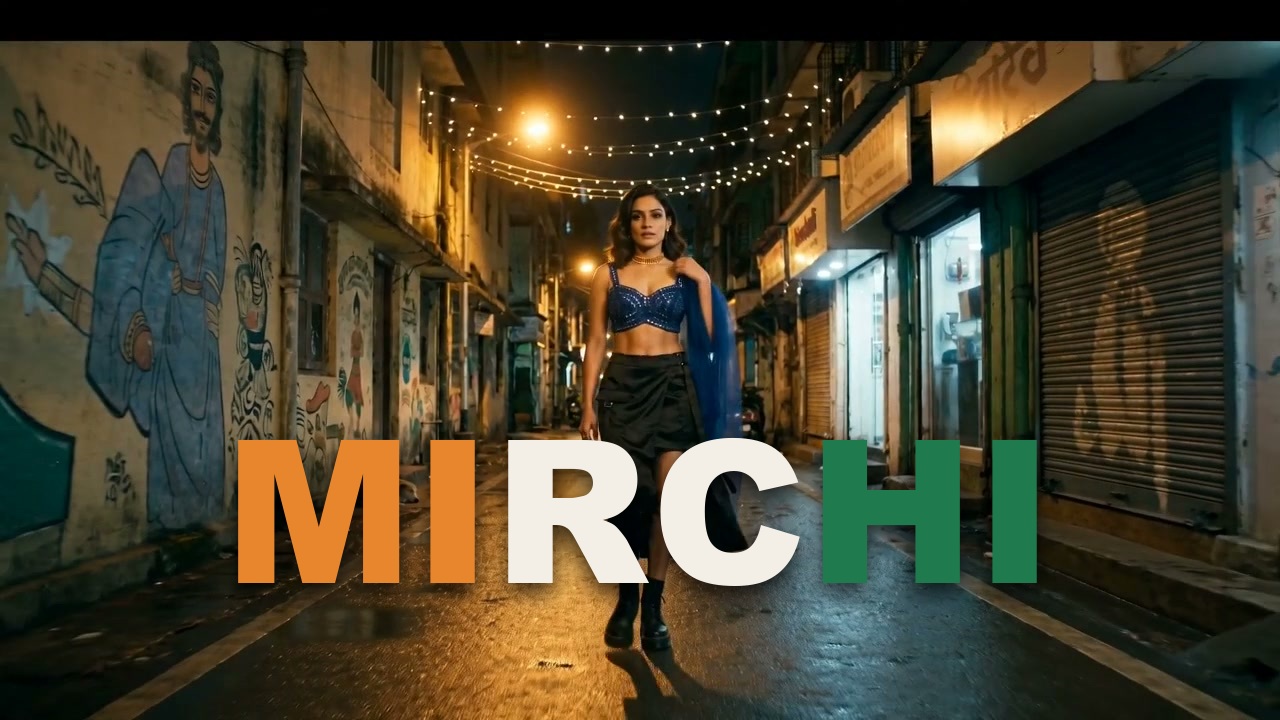
Every frame below came out of a separate generation. This is the whole claim, and it is the thing generative video normally gets wrong — look at the faces.
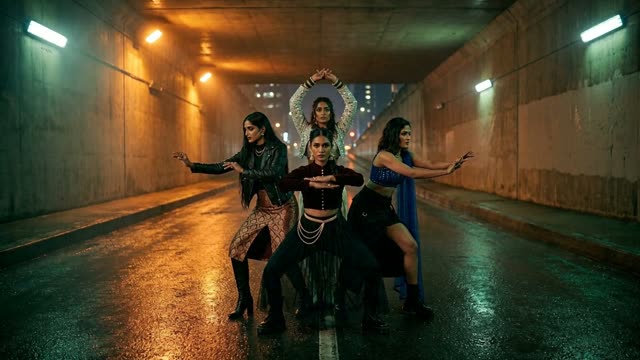
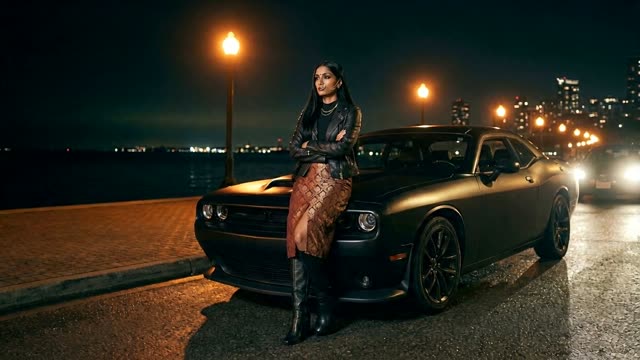
Shot 1 Shot 2 Shot 3 Shot 4 Shot 5 Shot 6 Shot 7 Shot 8 Shot 9 Shot 10 Shot 11 Shot 12 Shot 13 Shot 14 Shot 15 Shot 16 Shot 17

The world they move through

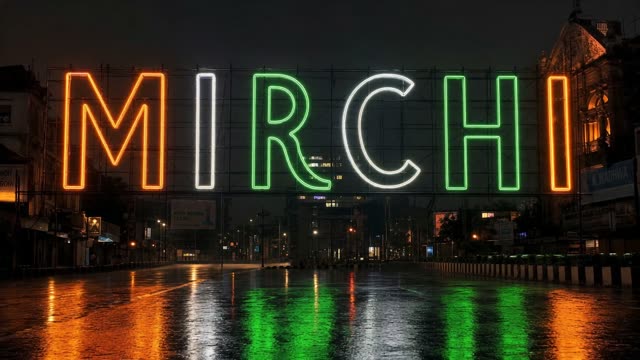
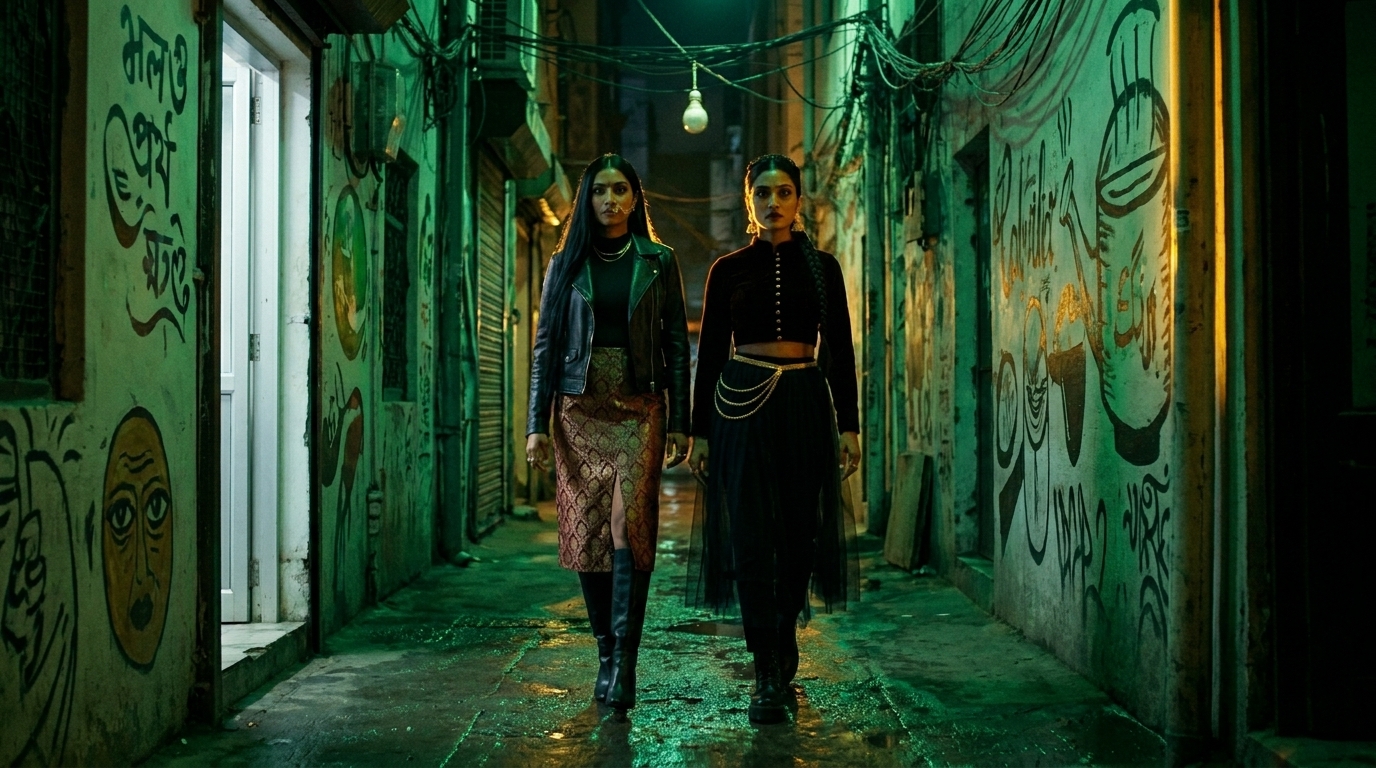
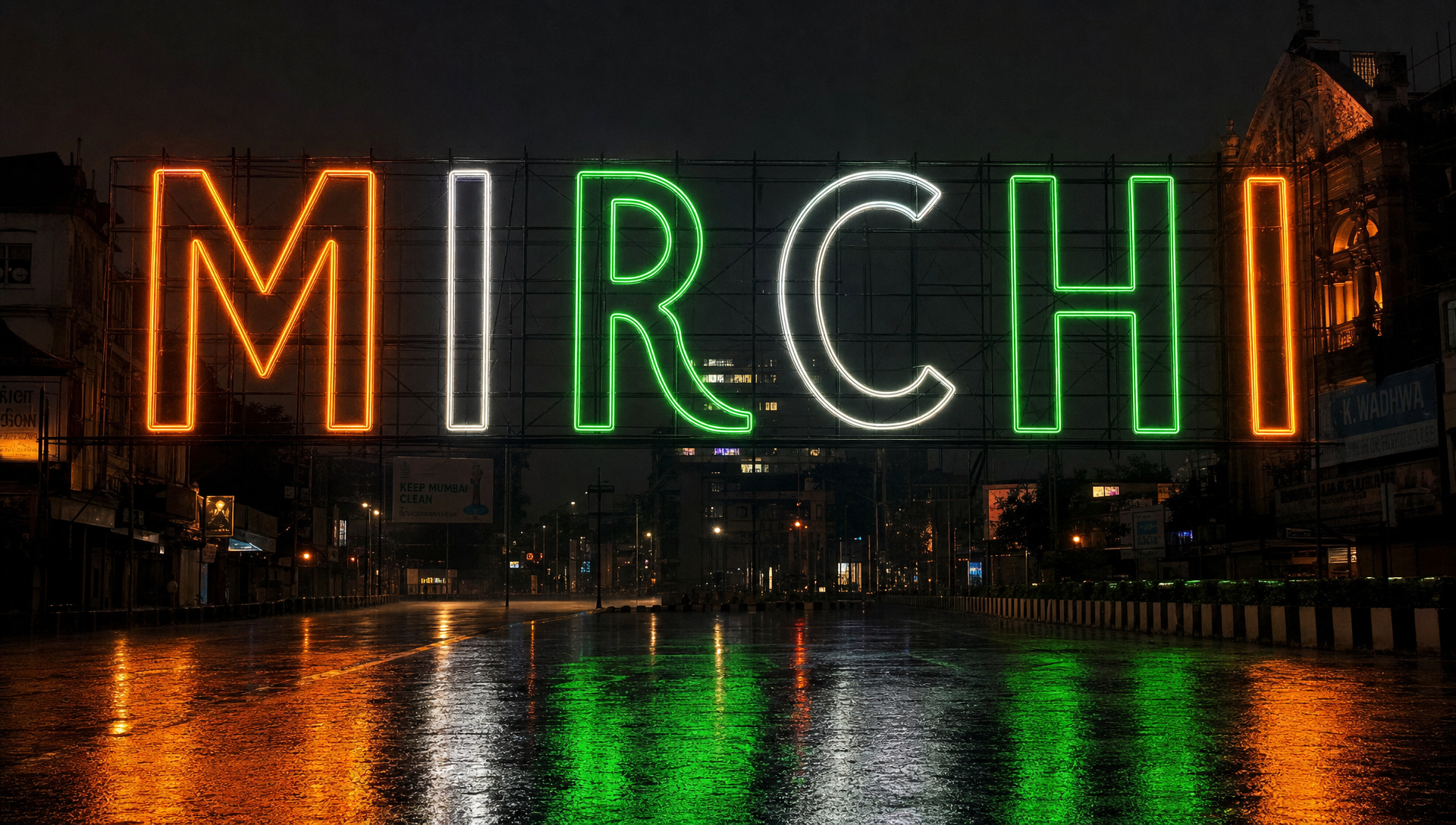
Story plates generated before any motion — Mumbai at night, tricolour used as light rather than iconography. These are the source frames every clip animates from.
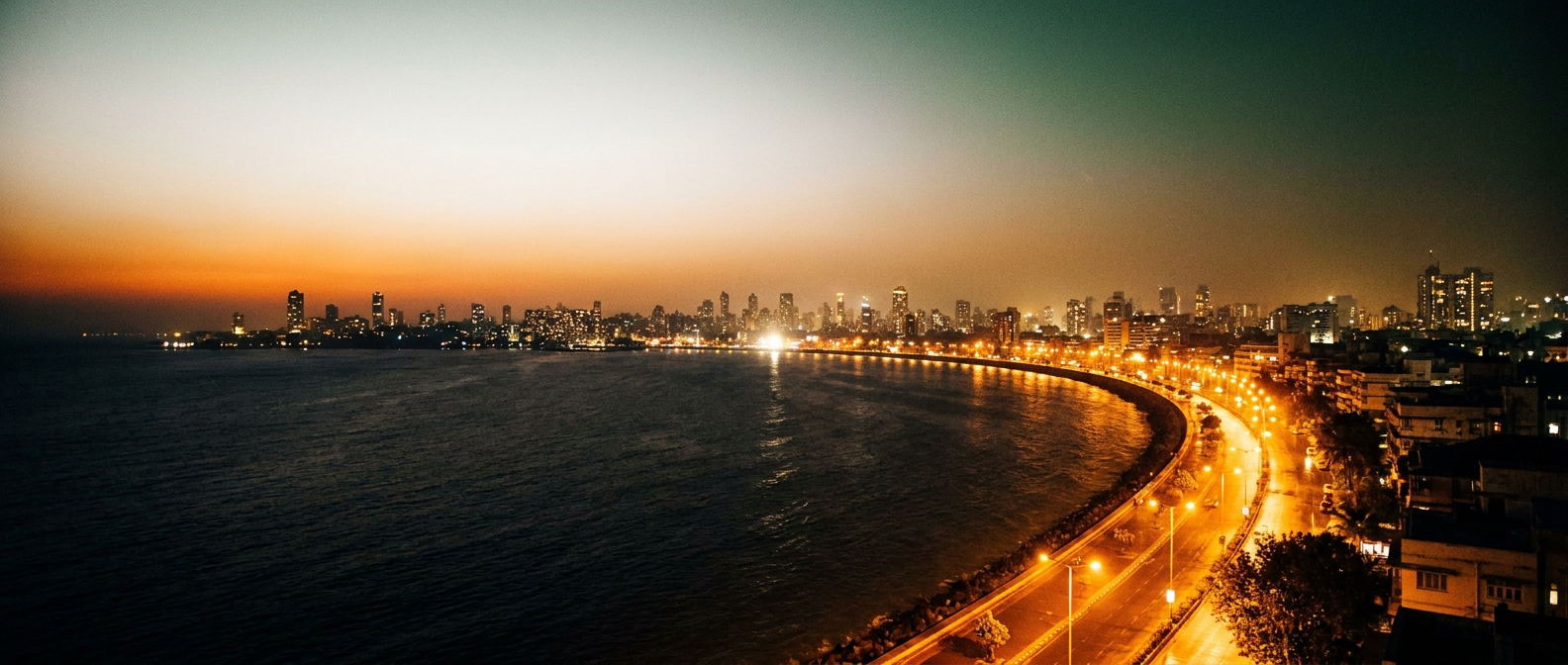
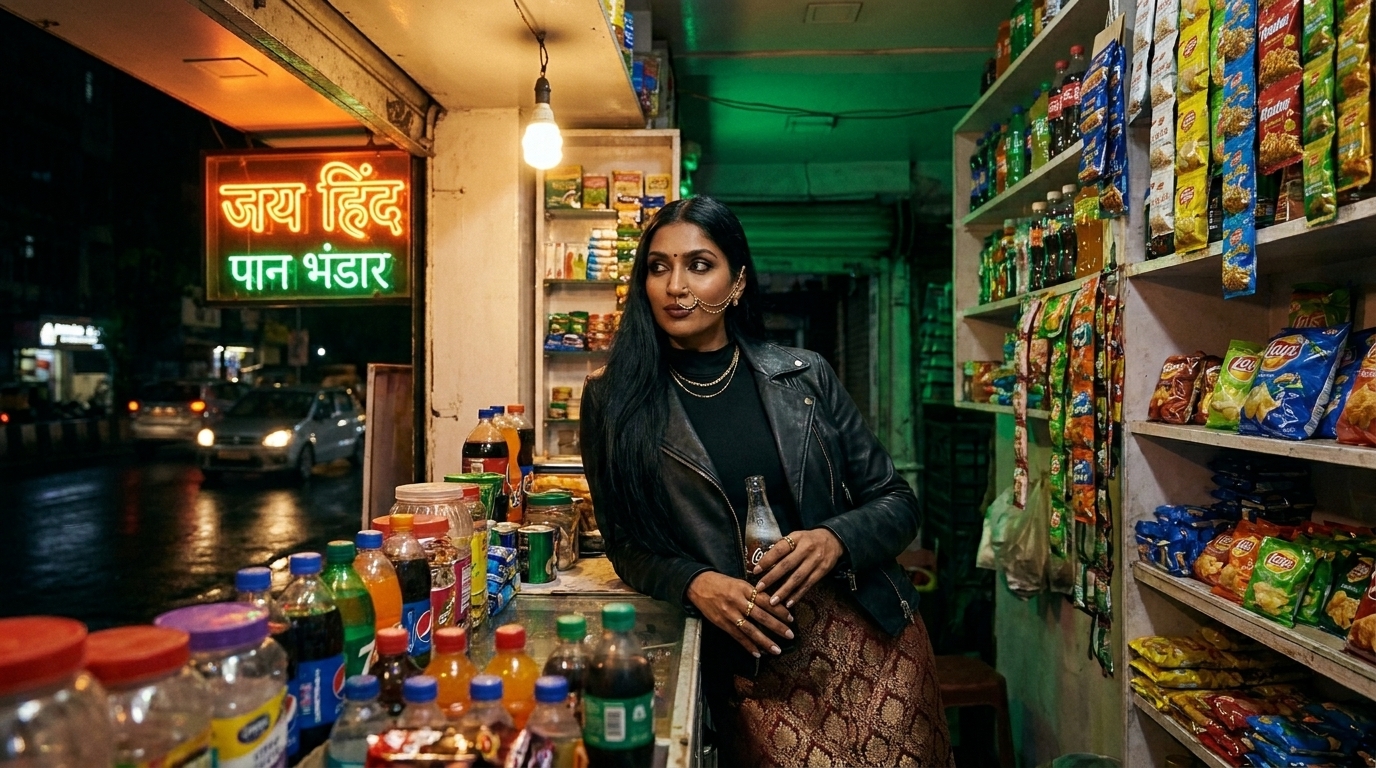
Plate 6 Plate 7 Plate 8 Plate 9 Plate 10 Plate 11 Plate 12 Plate 13 Plate 14 Plate 15 Plate 16 Title card

Why this is hard

Generative video has one failure that ruins everything else: faces don't survive between shots. You generate a clip, it looks great. You generate the next one and it's a different woman. Cut them together and you don't have a film, you have a mood board.

Getting past it isn't a prompt. It's a pipeline — characters registered once and reused as identity references, wardrobe locked in text, an anchor phrase carried into every prompt featuring a given character, and a review gate before anything expensive runs. That pipeline is VideoClaw.
The pipeline that made it

01
Lock the cast
Four characters registered as reusable identities with fixed wardrobe and features.
02
Build the world
17 story plates. These become the source frames for motion.
03
Write the song
Lyrics, then a generated 2:41 track — dhol and 808s, Hindi and Punjabi verses.
04
Generate motion
21 clips animated from the plates, each carrying the cast's identity references.
05
Cut it
79 shots, no clip repeating within two cuts. Re-cut seven times in a single day.
06
Ship it
Master, vertical, square and social variants derived locally — plus this page.
Everything on this site is generated. The performers are AI characters, not real people; the song is machine-generated; the city is rendered. Nothing here depicts a real person.

Look inside

MIRCHI production breakdown
MIRCHI — the full build
Every stage on the record: the cast sheets, all 17 plates, the song and its lyrics, all 21 clips playable, and all seven cuts with what was wrong with each.
17 plates · 21 clips · 7 cuts
See how it was built →
Neon Mumbai
Neon Mumbai — a second run
The same pipeline pointed at a different brief: a high-energy fusion piece in a futuristic neon Mumbai. Included because one film proves nothing.
8 scenes · 3:01
See the run →

The framework

VideoClaw is a command-line pipeline for generated video: character and identity locking, storyboard and plate generation, multi-provider rendering, review gates before spend, and local assembly. It is on npm as videoclaw. The source is private for now.